To start a successful podcast, define a specific audience and a focused topic, plan a format and episode structure you can sustain, then invest in decent audio, a reliable host, and consistent publishing. Record a few episodes before you launch, submit your RSS feed to every major directory, and commit to a regular schedule. Consistency and a clear sense of audience matter more than expensive gear. Here is the step-by-step path to launching a show that lasts.
Are you thinking about launching your own podcast in 2024?
You’re not alone. With the podcasting landscape growing richer and more dynamic, there’s never been a better time to add your voice to the mix.
But how do you stand out amidst the multitude of podcasts available?
This comprehensive guide will walk you through the essential steps to ensure your podcast is not just another voice in the crowd but a beacon of quality and engagement. From naming and branding to recording, editing, and promoting, let’s delve into the blueprint for a successful podcast.
Podcasting is more than just speaking into a microphone; it’s a powerful platform for storytelling, education, and community building. The beauty of podcasts lies in their accessibility—you can listen while driving, cleaning, or exercising, making them a versatile medium.
To succeed in the podcasting world, you need passion combined with a strategic approach.
But where to start?
First, let’s understand the basics.
Naming and Branding Your Podcast
The first step in starting your podcast is naming it. Your podcast’s name is your brand—it should be catchy, memorable, and align with your content’s theme. Consider brainstorming names that are unique yet descriptive enough to give potential listeners a glimpse of what to expect. Once settled on a name, create eye-catching artwork as well. Utilize tools like Canva or hire a designer on platforms like Fiverr to create images that capture the essence of your podcast.
Effective branding also means consistency in messaging. Think about your podcast’s tone, the type of guests you will invite, and your unique angle in the subject matter you cover. Your branding should reflect across all promotional materials, from your podcast’s website to social media channels. Make sure all elements work harmoniously to portray a polished, professional image.
Recording Your First Episodes
Now that your podcast has a name and branding, it’s time to create content. Recording multiple initial episodes is advisable for a successful launch. This gives listeners multiple episodes to binge on right from the start, increasing their likelihood of subscribing. Invest in good-quality microphones and soundproofing equipment. Experiment with different setups to find what suits your style best. Having guests? Prepare a good environment for interviews, even if it’s remote. Zoom or alternative platforms work well for remote interviews, but make sure your internet connection is stable to avoid disruptions.
Consider recording your sessions on video as well. Video podcasts are on the rise and provide you with additional promotional content for platforms like Instagram and YouTube. Tools like Podcastle can make this process seamless by integrating video recording and editing capabilities.
Editing Your Podcast for Quality
Editing is a crucial step where you transform raw recordings into polished episodes. With tools like Podcastle, you can remove background noise, eliminate filler words, and add royalty-free music to enhance the overall listening experience. Quality sound editing can often mean the difference between a good and a great podcast. In this stage, also pay attention to titling your episodes for better engagement. Engage your listeners with compelling episode titles and descriptions that accurately reflect the content and evoke curiosity.
Publishing and Promoting Your Podcast
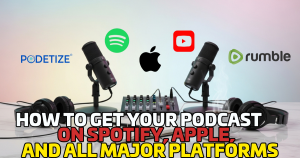
Your podcast is now ready for the world. Distribute it through podcast hosting sites like Podcastle and then publish it across major platforms like Apple Podcasts, Spotify, Google Play, and YouTube. Ensure that your show notes are detailed and interesting. They should provide a summary, highlight key points, and include links to anything mentioned in the episode.
Promotion is a continuous effort. Consistency is key; maintain a regular publishing schedule and engage with your audience on social media. Use highlights from your podcasts to create short video clips or quote graphics for platforms like Instagram, Twitter, and Facebook. Leverage Podcastle’s features to generate high-quality promotional materials seamlessly. Word-of-mouth is still one of the most powerful promotional tools, so encourage your listeners to share episodes they love and leave reviews.
In conclusion, podcasting in 2024 offers an incredible platform for creative expression and connection.
By meticulously planning your podcast’s name and branding, investing in quality recording and editing, and persistently promoting your content, you can launch a podcast that not only attracts listeners but keeps them coming back for more.
Start today, and let your voice be heard.
Ready to Launch Your Own Podcast in 2024?
If you’re excited about the prospect of starting your podcast but unsure where to begin, we’ve got you covered!
At Command Your Brand, we specialize in guiding aspiring podcasters like you through every step of the journey—from brainstorming names to hitting “publish.”
Don’t navigate this path alone!
Book a FREE CONSULTATION our expert podcast production agency today and get personalized advice to set your podcast up for success.
Schedule your call and start turning your podcasting dreams into reality!
Your voice is powerful—let’s make sure it’s heard!
Frequently Asked Questions
What do I need to start a podcast?
At minimum you need a clear topic and audience, a decent microphone, recording and editing software, and a podcast host to distribute your RSS feed. A quiet space and a consistent schedule matter as much as equipment.
How many episodes should I have before launching?
Record at least three to five episodes before launch. This lets you debut with a small back catalog, refine your format before anyone hears it, and keep momentum in the critical first weeks.
How much equipment do I really need to start?
Less than most people think. A good USB microphone, headphones, and free or low-cost editing software are enough to begin. Audio quality and consistency matter far more than an expensive studio.
How often should I publish episodes?
Pick a cadence you can sustain indefinitely, most commonly weekly. Consistency builds the listening habit, while publishing sporadically is one of the fastest ways to lose an audience.
Why do most podcasts fail?
Most podcasts quit early, a pattern known as podfade, before building an audience, usually because of an unfocused topic or an unsustainable schedule. Choosing a narrow topic and a realistic cadence is what separates lasting shows from the rest.